Maximizing Your Designs with Golden Lihne Brush Stroke Clipart
In the fast-paced world of digital design, the difference between a project that looks amateurish and one that commands attention often comes down to texture and detail. This is where Golden Lihne Brush Stroke Clipart becomes an invaluable asset for creators. Whether you are a seasoned graphic designer, a small business owner crafting your brand identity, or a hobbyist looking to elevate your personal projects, understanding how to properly utilize these elements can significantly enhance your visual output. However, many users overlook the technical nuances of digital assets, leading to frustrating results such as pixelated prints or clunky editing workflows. By addressing common pitfalls early, you can ensure that your creative process remains smooth and your final products look professional.
Understanding the Value of High-Resolution Digital Assets
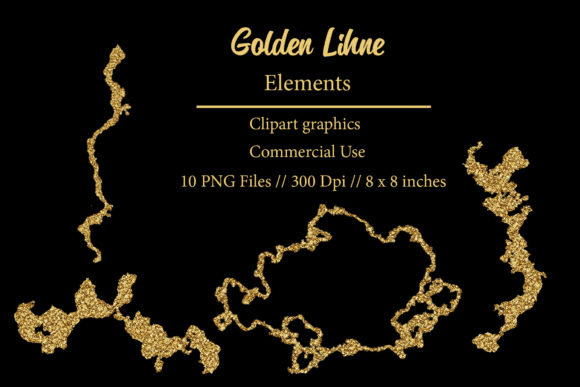
Before diving into the specific applications, it is crucial to understand what you are actually acquiring. When you purchase this digital product, you are not buying a physical item but rather a collection of high-quality digital files. Specifically, this package includes 10 Individual Transparent PNG Elements contained within a convenient .ZIP file. The transparency of PNG files is a critical feature; it allows you to layer these golden brush strokes over any background color, pattern, or photograph without unsightly white boxes surrounding the image. This flexibility is essential for creating cohesive designs across various mediums, from web graphics to physical merchandise.
The resolution and dimensions provided—300 dpi at 8 x 8 inches—are industry standards for high-quality printing. Many beginners mistakenly believe that any image found online is suitable for print, only to discover that their designs look blurry or jagged when produced physically. By starting with assets that are already optimized at 300 dots per inch, you eliminate the guesswork and ensure crisp, clean edges in your final output. This is particularly important for items like business cards, invitations, and stationery, where clarity reflects directly on your professionalism.
Common Mistakes and How to Avoid Them
Even with high-quality assets like the Golden Lihne Brush Stroke Clipart, errors in handling and application can undermine your efforts. One of the most frequent mistakes occurs immediately after purchase: failing to extract the files correctly. Because the elements come in a .ZIP file, some users attempt to use the images directly from the compressed folder. This can lead to software errors, slow performance, or corrupted files. Always take the extra step to extract the contents to a dedicated folder on your computer before opening them in your design software. This simple habit preserves file integrity and makes asset management much easier.
Another common oversight involves scaling. While the original files are 8 x 8 inches at 300 dpi, resizing them incorrectly can degrade quality. If you scale an image up beyond its original dimensions, you will inevitably lose resolution, resulting in pixelation. Conversely, scaling down is generally safe, but it is best practice to keep a master copy of the original files untouched. Use "Save As" or duplicate layers in your design program to experiment with sizes, ensuring you always have the pristine original available for future projects. This approach safeguards your efficiency and prevents the need to repurchase assets due to accidental corruption.
Furthermore, many creators neglect to consider the color profile of their workspace. Digital screens use RGB (Red, Green, Blue), while printers use CMYK (Cyan, Magenta, Yellow, Key/Black). Golden hues, in particular, can shift dramatically between these two modes. A vibrant, metallic gold on your screen may print as a dull mustard yellow if not managed correctly. To avoid this disappointment, check your design software’s color settings. If you are designing for print, such as mugs, fabric, or t-shirts, convert your document to CMYK before finalizing. For web decor, blog graphics, and social media advertising, stick to RGB to maintain that signature shimmer and brightness.
Strategic Applications for Maximum Impact
The versatility of these brush strokes allows for a wide range of creative applications. For entrepreneurs and marketers, integrating these elements into logos and business cards can add a touch of luxury and sophistication. The organic nature of brush strokes contrasts beautifully with rigid typography, creating a balanced and memorable brand identity. When using them for logos, ensure that the golden element complements rather than overwhelms the text. Simplicity is key; let the brush stroke act as an accent or underline rather than the main focal point.
For those involved in the print-on-demand industry, these elements are perfect for sublimation designs on mugs, t-shirts, and fabric. The transparent background ensures that the gold appears to float naturally on the material. However, remember that sublimation works best on light-colored fabrics. If you are printing on dark textiles, you may need to add a white underbase or choose a different printing method to ensure the gold stands out. Testing a small batch before committing to a large run is a prudent step that can save significant time and money.
Planner enthusiasts and stationery designers can also benefit greatly from these assets. Adding golden accents to planner goodies, stickers, and invitations elevates the perceived value of the product. When creating stickers, pay attention to the cut lines. Ensure there is enough padding around the brush stroke so that the cutting machine does not trim into the design. Using the high-resolution PNGs allows for precise edge detection, resulting in clean, professional-looking stickers that customers will love.
Best Practices for Workflow and Organization
To maintain efficiency, organize your digital library systematically. Create folders categorized by theme or project type. For instance, keep all your golden brush strokes in a dedicated "Textures" or "Accents" folder. This reduces the time spent searching for assets during tight deadlines. Additionally, consider creating preset templates in your preferred design software that include these elements. This allows for quick customization and ensures consistency across your brand’s visual language.
When using these elements for web decor and advertising, file size optimization is crucial. While the 300 dpi originals are perfect for print, they may be too large for web use, potentially slowing down your website’s load times. Export web-specific versions at 72 dpi and in appropriate formats like JPEG or optimized PNGs. This balance between quality and performance enhances user experience and supports better SEO rankings for your site.
Making the Right Choice for Your Creative Needs
Before integrating any new asset into your workflow, evaluate its compatibility with your current tools. Ensure your design software supports transparent PNGs and layering. Most modern programs like Adobe Photoshop, Illustrator, Canva, and Procreate handle these files seamlessly. If you are new to digital design, take advantage of online tutorials that specifically cover layering and transparency masks. Understanding these basic concepts will empower you to use the Golden Lihne Brush Stroke Clipart to its full potential.
Ultimately, the goal is to create work that resonates with your audience. Whether you are designing blog graphics to engage readers or crafting DIY projects for personal enjoyment, the quality of your materials matters. By avoiding common technical mistakes and applying strategic design principles, you can transform simple digital elements into stunning visual compositions. Remember, creativity thrives on preparation and attention to detail. With the right approach, these golden brush strokes can become a staple in your design toolkit, helping you produce work that is both beautiful and professional.