Mastering Distressed Baseball Patches Sublimation for Professional Apparel Design
In the evolving landscape of custom apparel and textile design, achieving an authentic vintage aesthetic requires more than just selecting a retro font or fading a color. Distressed baseball patches sublimation has emerged as a specialized technique that bridges the gap between modern digital printing capabilities and the nostalgic charm of mid-20th-century sports memorabilia. For designers, print-on-demand entrepreneurs, and hobbyists, understanding the nuances of this method is essential for producing high-quality, marketable products.
This approach involves using high-resolution digital assets—specifically designed with intentional wear, tear, and texture—to create transfers that mimic the look of aged fabric appliqués. Unlike standard crisp vector graphics, these designs incorporate visual noise, frayed edges, and color variations that replicate decades of use. When executed correctly, the result is a garment that feels curated and historic rather than mass-produced.
Understanding the Digital Asset Requirements
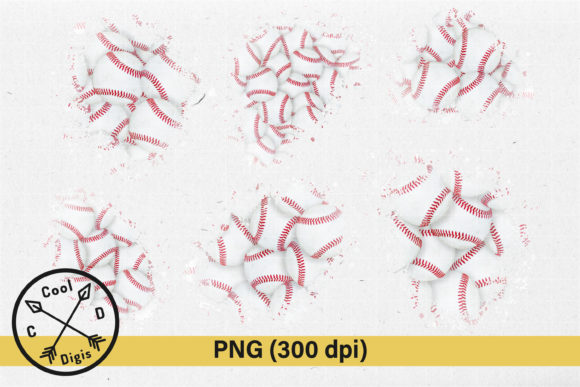
The foundation of any successful sublimation project lies in the quality of the source file. When working with distressed baseball patches PNG files, resolution and format are non-negotiable factors. A typical professional collection, such as one containing six distinct elements, should be provided in a ZIP folder with each file saved at 300 DPI (dots per inch) in RGB color mode.
The choice of PNG format is critical because it supports transparency. This allows the distressed patch to be placed over various shirt colors without a visible white box surrounding the design. However, users must recognize that "distressed" does not mean "low quality." The pixels representing the wear and tear must be sharp and deliberate. A large, scalable design ensures that the intricate details of the distressing—such as threadbare spots or cracked ink effects—remain visible even when resized for different garment sizes.
It is important to note that prior knowledge of sublimation is needed to use these files effectively. Unlike direct-to-garment (DTG) printing, which can handle some level of file imperfection, sublimation requires precise color management and heat press settings. Designers must be proficient in software such as Adobe Photoshop, Illustrator, CorelDraw, PaintShop, Inkscape, or Gimp to prepare these files correctly. This includes checking color profiles, mirroring images for transfer, and ensuring the background is truly transparent.
Sublimation vs. Traditional Embroidery and Screen Printing
When evaluating production methods for vintage-style baseball aesthetics, designers often compare sublimation against traditional embroidery and screen printing. Each method offers distinct advantages and tradeoffs regarding cost, durability, and visual fidelity.
Embroidery is the traditional standard for baseball patches. It offers tangible texture and high perceived value. However, embroidery is limited in its ability to reproduce complex gradients, photorealistic distressing, or intricate color blends. Creating a genuinely "worn" look via embroidery requires specialized thread techniques and is significantly more expensive and time-consuming. In contrast, distressed sublimation patches can replicate the visual appearance of worn thread and faded fabric instantly, with no increase in production time or cost per unit.
Screen printing offers durability and vibrant colors but struggles with the subtle nuances of distressing. To achieve a vintage look, screen printers often use discharge inks or additional screens for distress effects, which increases setup costs. Sublimation, being a digital process, handles complex distressing patterns without additional setup fees. This makes it an ideal choice for small batches or print-on-demand models where flexibility is key.
The primary limitation of sublimation is substrate compatibility. It only works effectively on polyester or poly-coated materials. If a client demands 100% cotton for a authentic feel, sublimation may not be the right choice unless a poly-blend is acceptable. In such cases, DTG or screen printing might be superior alternatives despite their higher complexity in achieving the distressed look.
Best-Fit Scenarios and Practical Applications
Identifying when to utilize baseball print patches clipart PNG files depends largely on the target audience and the intended use of the final product. These digital assets are particularly well-suited for:
- Sports-Themed Casual Wear: T-shirts, hoodies, and tank tops that aim for a retro league aesthetic.
- Home Decor and Textiles: Pillowcases, tote bags, and aprons where a vintage sports motif adds character.
- Digital Backgrounds and Web Design: High-resolution PNGs can be used as textured elements in website headers, social media graphics, or digital scrapbooking projects.
- Custom Team Merchandise: For leagues wanting a classic look without the high minimum order quantities associated with custom embroidered patches.
For example, a designer creating a line of "Father’s Day" gifts might use a distressed baseball patch design on a polyester jersey. The sublimation process allows the design to breathe with the fabric, preventing the stiff, plastic-like feel sometimes associated with vinyl transfers. This comfort factor is a significant selling point for adult consumers aged 20–50 who prioritize both style and wearability.
Navigating Color Variations and Technical Limitations
One of the most common challenges in sublimation is color consistency. Designers must manage expectations regarding how colors appear on screen versus how they translate to fabric. The RGB color mode used in digital files differs from the CMYK process used in many other printing methods, and sublimation inks react uniquely to heat and time.
Colors may vary from screen to screen, printer to printer, and depend heavily on the inks and substrates used. A bright red on a monitor may print as a deeper crimson on a 100% polyester shirt if the heat press temperature is slightly too high. Conversely, under-pressing can result in washed-out colors. To mitigate this, professionals recommend running test prints on the exact substrate intended for the final product. Adjusting brightness and contrast in software like Photoshop or Gimp before printing can help compensate for known printer tendencies.
Furthermore, the "distressed" nature of the design can sometimes be misinterpreted as a printing error by end-users unfamiliar with the aesthetic. Clear product descriptions and close-up photos showing the intentional texture are vital for customer education. Highlighting that the frayed edges and faded spots are part of the artistic design helps prevent returns and dissatisfaction.
Decision Factors for Designers and Buyers
Choosing whether to invest in a DIGITAL DOWNLOAD Collection of distressed baseball patches involves weighing several factors. First, consider your technical proficiency. If you lack experience with image editing software, the learning curve may outweigh the benefits. These files are not plug-and-play for every user; they require preparation.
Second, evaluate your equipment. Sublimation requires a dedicated sublimation printer and a heat press capable of maintaining consistent temperature and pressure. If you only have a standard inkjet printer and an iron, the results will likely be inconsistent and unprofessional. In such cases, outsourcing to a print provider or choosing a different printing method might be more prudent.
Finally, assess your market niche. If your audience values authenticity and vintage aesthetics, high-quality distressed sublimation designs offer a competitive edge. They provide a unique look that is difficult to achieve with standard clipart or basic vector graphics. However, if your market prefers bold, clean, and modern logos, these distressed elements may not align with your brand identity.
In conclusion, distressed baseball patches sublimation represents a powerful tool for creators seeking to blend nostalgia with modern manufacturing efficiency. By understanding the technical requirements, comparing it against alternative methods, and acknowledging its limitations, designers can make informed decisions that enhance their product offerings. Whether used for t-shirts, textile printing, or digital backgrounds, these high-resolution PNG files offer versatility and depth, provided they are handled with the appropriate skill and care.