Mastering the Matte Black Distressed American Flag PNG for Professional Sublimation Results
The demand for patriotic yet modern aesthetic designs has surged in the custom printing industry, with the Matte Black Distressed American Flag PNG emerging as a top choice for creators. This specific design style blends traditional symbolism with a contemporary, rugged edge, making it ideal for 20oz skinny tumblers, apparel, and various textile projects. However, achieving a crisp, professional finish requires more than just downloading a file. Many beginners and even experienced entrepreneurs overlook critical technical details regarding resolution, color profiles, and substrate compatibility. Understanding these nuances is essential to avoid wasted materials and ensure your final product meets customer expectations.
Understanding the Design Versatility and File Specifications
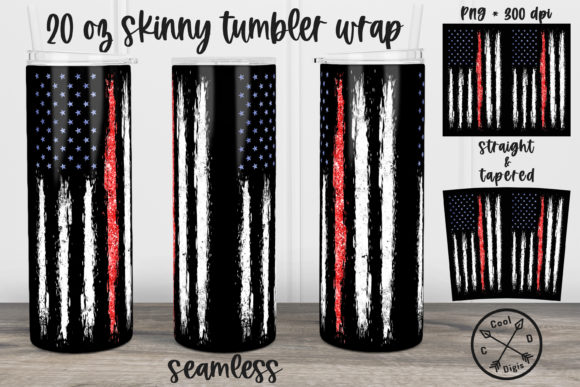
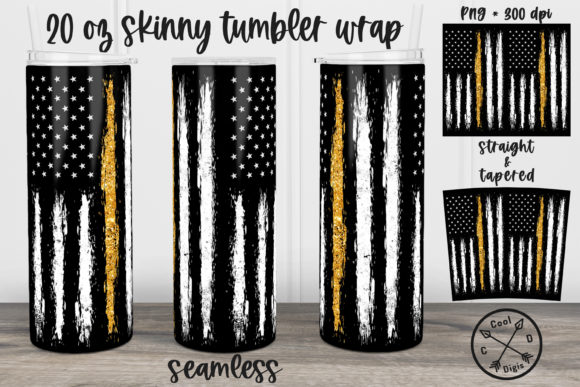
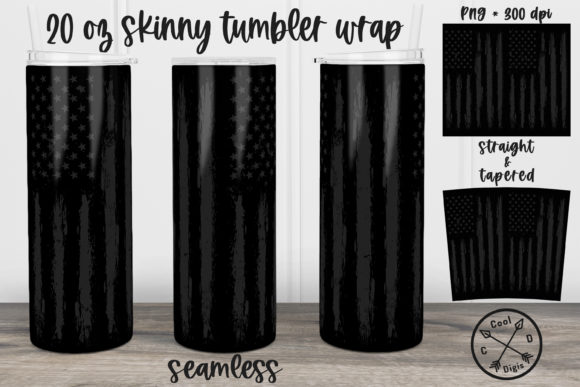
Before diving into the printing process, it is vital to understand what makes this digital download unique. The collection typically includes two high-quality PNG files housed in a ZIP folder: one optimized for straight walls and another for tapered surfaces. Both are sized at 9.3″ x 8.2″ with a resolution of 300 DPI in RGB color mode. This high resolution ensures that the distressed texture remains sharp rather than pixelated when applied to curved surfaces.
The "matte black" aspect refers to the visual tone of the flag elements, which are designed to mimic a non-reflective, weathered look. This is particularly popular for sublimation on white or light-colored polyester blanks, where the black ink absorbs deeply into the fabric or coating. The "distressed" effect adds character, simulating wear and tear that appeals to consumers looking for vintage or rugged styles. Because the design is vector-scalable in nature (though delivered as raster PNGs), it can be resized to fit various projects without significant quality loss, provided you do not exceed the original pixel dimensions drastically.
Common Mistakes in Substrate Selection and Preparation
One of the most frequent errors creators make is assuming this design works universally on any surface. Sublimation requires specific substrates—primarily polyester-coated items or high-polyester content fabrics. Using this Matte Black Distressed American Flag PNG on 100% cotton t-shirts or uncoated ceramic mugs will result in a faint, washable image that lacks vibrancy. For textile printing, ensure your blank garments contain at least 65% polyester for optimal color retention. For tumblers, verify that the coating is specifically rated for sublimation temperatures.
Another overlooked detail is the background transparency. PNG files support transparent backgrounds, which is crucial for seamless wrapping. If you accidentally save or convert the file to a JPEG, you will introduce a white box around the flag, ruining the seamless effect on colored tumblers or dark fabrics. Always double-check your file format before importing it into your design software.
Navigating Color Profiles and Printer Variations
A significant point of confusion arises from the difference between screen colors and printed results. The file is provided in RGB (Red, Green, Blue) mode, which is standard for digital displays. However, many sublimation printers operate closer to CMYK (Cyan, Magenta, Yellow, Key/Black) logic, or use specific dye-sublimation ink sets that interpret colors differently. Users often complain that the black appears grayish or the distressing looks too light. This is not necessarily a flaw in the file but a characteristic of the sublimation process.
To mitigate this, perform test prints on small scraps of your intended substrate. Adjust the brightness and contrast in your editing software if the initial output is too faint. Remember that darker inks may appear slightly lighter after heat pressing due to the gasification process. Additionally, monitor calibration plays a role; what looks like a deep matte black on one screen might appear washed out on another. Relying solely on screen preview without physical testing is a recipe for inconsistent batch quality.
Software Compatibility and Workflow Efficiency
Prior knowledge of sublimation and design software is needed to use this file effectively. While the PNG format is widely supported, how you manipulate it matters. Beginners often struggle with aligning the straight versus tapered wraps. The tapered design accounts for the narrowing shape of a 20oz skinny tumbler. If you use the straight wrap on a tapered tumbler, the design will distort, stretching unnaturally at the bottom or top. Conversely, using the tapered wrap on a straight-walled item may cause unnecessary compression.
Ensure you have appropriate software such as Adobe Photoshop, Illustrator, CorelDraw, PaintShop Pro, Inkscape, or GIMP. These tools allow you to check dimensions accurately. For instance, in Photoshop, you can verify the 300 DPI setting by navigating to Image > Image Size. If the resolution drops below 300 DPI when resizing, the print quality will suffer. Avoid using basic viewers or mobile apps that automatically compress images, as this degrades the high-resolution data embedded in the original file.
Best Practices for Heat Press Application
Even with a perfect digital file, poor heat press technique can ruin the outcome. The matte black distressed look relies on precise temperature and time settings. Over-pressing can cause "ghosting" or scorch marks, especially on the lighter areas of the distressing. Under-pressing results in incomplete ink transfer, leaving parts of the design faint or patchy.
- Temperature: Typically between 380°F to 400°F, depending on your specific tumbler wrap instructions.
- Time: Usually 180–200 seconds for tumblers, but always consult your blank supplier’s guidelines.
- Pressure: Medium to firm pressure ensures even contact across the curved surface.
- Protection: Use butcher paper or Teflon sheets to protect both the design and the heat press plates from ink bleed.
For textile applications, use a Teflon sheet to prevent shine marks on the polyester fabric. Peel the transfer paper hot or cold based on your ink manufacturer’s recommendation, as this affects the final texture of the matte finish.
Evaluating Quality Before Full-Scale Production
Before committing to a large order, evaluate the file’s scalability and clarity. Zoom in to 100% on your computer screen to inspect the edges of the distressed elements. They should appear clean, not jagged or blurry. If you plan to use the design for web backgrounds or gift wrap, consider how the seamless pattern repeats. Although this specific download is tailored for tumblers, the high resolution allows for creative adaptation. However, always respect the licensing terms associated with digital downloads, ensuring you have commercial rights if you intend to sell finished products.
In conclusion, the Matte Black Distressed American Flag PNG offers a versatile, high-quality asset for creators when used correctly. By paying attention to substrate compatibility, color management, software handling, and heat press precision, you can avoid common pitfalls and produce stunning, professional-grade items. Take the time to test and refine your process, and this design will become a reliable staple in your creative portfolio.