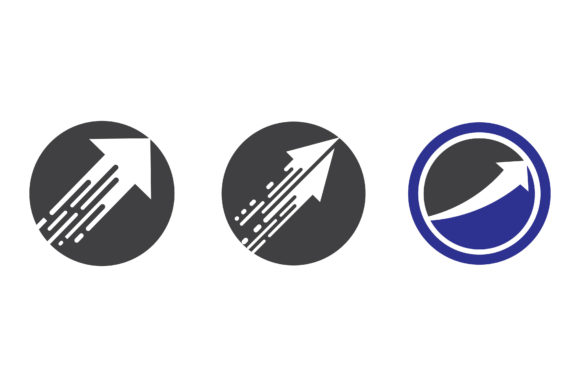
Strategic Direction: Leveraging the Arrow Logo Template Vector for Brand Clarity
In the crowded landscape of modern digital identity, visual shorthand is not merely a decorative choice; it is a critical component of communication efficiency. The arrow logo template vector represents one of the most potent symbols in the designer’s toolkit. At its core, an arrow is a universal signifier of direction, movement, and progress. However, its ubiquity presents a paradox: while instantly recognizable, it risks becoming generic if not executed with precise strategic intent. For entrepreneurs, marketers, and brand managers, understanding how to deploy this geometric element effectively can mean the difference between a forgettable icon and a memorable corporate identity.
The utility of an editable vector format cannot be overstated in professional branding. Unlike raster images, vector graphics allow for infinite scalability without loss of quality. This technical flexibility ensures that your brand emblem remains crisp whether it is displayed on a microscopic favicon in a browser tab or emblazoned across a large-format delivery truck. When you select a high-quality arrow logo template vector, you are investing in a foundational asset that supports consistent visual communication across all touchpoints, from business cards to web interfaces.
The Psychology of Forward Motion in Branding
Why do so many technology companies, logistics firms, and financial institutions gravitate toward the arrow? The answer lies in cognitive psychology. Human brains are wired to interpret directional cues rapidly. An arrow pointing right suggests moving forward into the future; an arrow pointing up implies growth, success, or elevation. By integrating these shapes into your brand identity, you subconsciously align your company with concepts of speed, efficiency, and positive trajectory.
Consider the concept of "fast" in the context of service delivery. A logistics company does not just want to be seen as a transporter of goods; it wants to be perceived as the fastest, most reliable option. A sleek, streamlined arrow graphic reinforces this promise visually. Similarly, a tech startup aiming to disrupt traditional markets might use an abstract, angular arrow to symbolize innovation and breaking boundaries. The shape becomes a vessel for your brand narrative, conveying complex ideas through simple, clean lines.
However, the effectiveness of this symbol depends heavily on context. An arrow used in a healthcare brand might need to be softer, perhaps curved, to suggest care and guidance rather than aggressive speed. In contrast, a cybersecurity firm might utilize sharp, geometric angles to convey precision and defense. The key is to match the style of the arrow—whether it is bold, thin, curved, or fragmented—to the emotional tone of your industry.
Customization and Creative Adaptation
One of the primary advantages of using a template is the starting point it provides. Yet, relying solely on a pre-made design without modification is a strategic error. To achieve a unique corporate identity, you must treat the template as a raw material rather than a final product. The goal is to transform a common icon into a distinctive logotype that owns its space in the market.
- Integration with Typography: Consider how the arrow interacts with your company name. Does it replace a letter, such as the crossbar in an 'A' or the tail of a 'Q'? This integration creates a cohesive unit where text and symbol are inseparable, enhancing brand recall.
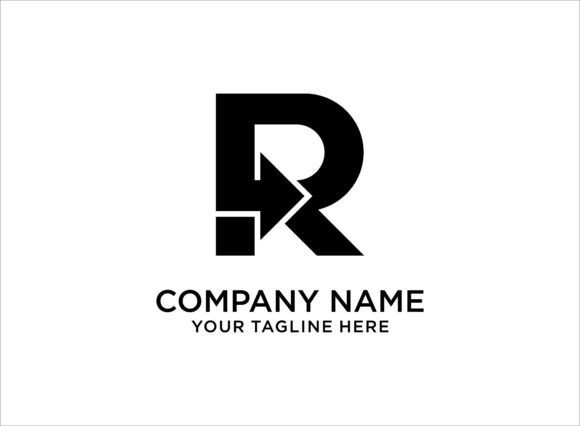
- Negative Space Utilization: Some of the most clever designs use negative space to form an arrow within another shape. This approach adds a layer of intellectual engagement for the viewer, rewarding closer inspection and creating a more sophisticated brand perception.
- Color Psychology: While the shape dictates direction, color dictates emotion. A blue arrow conveys trust and stability, ideal for finance. An orange or red arrow suggests energy and urgency, suitable for sales or emergency services. Ensure your color palette aligns with the directional message of the shape.
When working with an editable vector, you have the freedom to adjust anchor points, modify curves, and experiment with proportions. This level of control allows you to fine-tune the visual weight of the design. A heavier, bolder arrow may feel more authoritative, while a lighter, thinner line might feel more elegant and modern. These subtle adjustments are crucial for differentiating your brand from competitors who may be using similar stock elements.
Strategic Applications Across Industries
The versatility of the arrow logo template vector makes it applicable across a wide spectrum of industries. However, its application must be tailored to specific operational goals and customer expectations.
Technology and Innovation
In the tech sector, the arrow often symbolizes data flow, connectivity, and forward-thinking. A modern, minimalist arrow can represent the seamless transfer of information. For software companies, an arrow integrated into a cloud shape or a circuit board pattern can effectively communicate complex technological capabilities in a simple visual format. The emphasis here should be on clean lines and geometric precision, reflecting the logical nature of code and engineering.
Logistics and Transportation
For delivery services and travel agencies, the arrow is literal. It represents the physical movement of goods or people. Here, the design should prioritize clarity and visibility. A bold, unmistakable arrow ensures that the brand is easily identifiable on vehicles and packaging. The focus is on reliability and speed. Using dynamic angles can create a sense of motion even when the logo is static, reinforcing the promise of timely delivery.
Finance and Consulting
In professional services, arrows often denote growth charts and upward trends. An upward-pointing arrow is a classic symbol of financial success and positive ROI. However, to avoid cliché, designers often abstract this shape, combining it with other elements like shields (for security) or pillars (for stability). The result is a corporate emblem that speaks to both ambition and trustworthiness.
Risks of Generic Implementation
While the arrow is powerful, it is also overused. The risk of using a standard arrow logo template vector without significant customization is brand dilution. If your logo looks identical to dozens of other startups in your niche, you fail to establish a unique market position. Consumers may struggle to distinguish your services from competitors, leading to reduced brand loyalty and recognition.
Furthermore, an overly complex arrow design can lose its impact at smaller sizes. In the era of mobile-first browsing, your logo must remain legible on small screens. Intricate details, excessive gradients, or too many overlapping elements can turn a sharp icon into a muddy blur. The principle of simplicity is paramount. A successful logo works as well in black and white at 16 pixels as it does in full color on a billboard.
Another common pitfall is misalignment with brand values. Using an aggressive, sharp-edged arrow for a brand focused on community and care can create cognitive dissonance. The visual language must support the verbal messaging. If your brand voice is gentle and supportive, your visual identity should reflect that through softer curves and warmer tones, even if you are using a directional symbol.
Best Practices for Implementation
To maximize the strategic value of your arrow logo template vector, follow these practical guidelines:
- Define Your Core Message: Before selecting a template, clarify what you want the arrow to represent. Is it speed? Growth? Guidance? Connection? This clarity will guide your customization choices.
- Prioritize Scalability: Test your design at various sizes. Ensure that the lines do not break down and that the shape remains recognizable when scaled down for social media avatars or favicons.
- Ensure Versatility: Your logo should work on light and dark backgrounds. Create versions that are optimized for different contexts, including monochrome variants for single-color printing applications like embossing or engraving.
- Check for Uniqueness: Conduct a thorough search to ensure your modified design does not infringe on existing trademarks. Even with a template, significant alteration is necessary to claim ownership and avoid legal issues.
- Contextualize with Brand Elements: Pair the arrow with a carefully chosen font. The typeface should complement the style of the arrow. A modern, sans-serif font pairs well with geometric arrows, while a serif font might suit a more traditional, refined arrow design.
Ultimately, the arrow logo template vector is a tool, not a solution. Its value is derived from how thoughtfully it is applied. By approaching design with a strategic mindset, focusing on clarity, and ensuring alignment with broader business goals, you can transform a simple geometric shape into a powerful asset for your brand. The goal is not just to have a logo, but to have a visual signifier that actively contributes to your company’s narrative, driving recognition and trust in a competitive marketplace.
When used intentionally, the arrow does more than point; it leads. It guides the customer’s eye and their perception, steering them toward a deeper understanding of what your brand stands for. In a world saturated with visual noise, a clear, well-designed directional symbol cuts through the clutter, offering a beacon of clarity and purpose. This is the true power of strategic design: turning abstract concepts into tangible, recognizable identities that resonate with audiences and stand the test of time.