Ornate Mandala SVG Graphic Artwork: A Versatile Asset for Modern Creators
In the evolving landscape of digital design, the demand for high-quality, adaptable visual elements has never been higher. Among the most enduring and versatile assets available to contemporary creators is Ornate Mandala SVG Graphic Artwork. This is not merely a decorative element; it is a foundational tool that bridges the gap between traditional artistic symmetry and modern digital workflow efficiency. Whether you are a seasoned graphic designer, a small business owner launching a new brand, or a hobbyist exploring the world of handmade crafts, understanding the utility of these vector-based designs can significantly enhance your creative output.
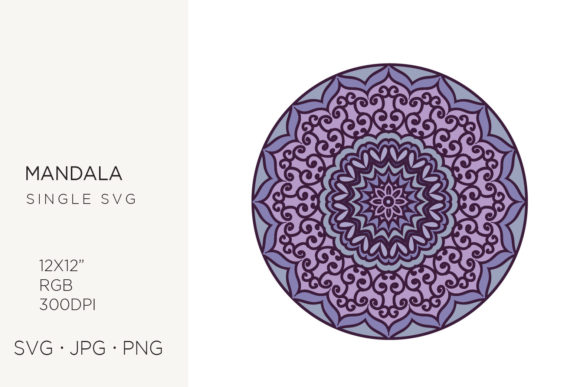
The appeal of mandala art lies in its intricate geometry and spiritual connotations of balance and harmony. However, from a practical standpoint, the value of this specific digital asset comes from its technical construction. Created in Adobe Illustrator, these files are vectors, meaning they are composed of mathematical paths rather than pixels. This distinction is crucial. It allows the artwork to be scaled infinitely without any loss of quality, making it equally suitable for a tiny favicon on a website or a large-format print for wall decor. The inclusion of multiple file formats—SVG, JPG, and PNG with transparent backgrounds—ensures compatibility across a vast array of software and platforms, removing technical barriers for users with varying levels of expertise.
The Shift Toward Modular and Scalable Design Resources
The way professionals and enthusiasts approach design has shifted dramatically in recent years. There is a moving away from creating every single element from scratch toward a more modular approach, where high-quality base assets are customized to fit specific project needs. This trend is driven by the need for speed and consistency in content creation. For marketers and entrepreneurs, time is a scarce resource. Having access to a professionally crafted Ornate Mandala SVG Graphic Artwork allows for rapid deployment of visually stunning materials without the steep learning curve associated with complex vector illustration.
Furthermore, the rise of the "maker economy" has blurred the lines between digital and physical products. Consumers today value uniqueness and personalization. A generic, mass-produced item rarely captures attention in the same way a bespoke piece does. By utilizing digital graphics elements that are easy to manipulate, creators can offer personalized products at scale. For instance, a seller on a handmade marketplace can use the same mandala file to create a unique wedding invitation suite for one client and a series of printed tote bags for another, simply by adjusting colors and layout. This flexibility is central to modern creative entrepreneurship.
Technical Specifications That Empower Creativity
To truly leverage the potential of these graphic elements, it is essential to understand the technical specifications provided in the download package. The artboard size of 12x12 inches at 300 DPI (dots per inch) in an RGB color palette is a strategic choice. While 300 DPI is traditionally associated with print readiness, the RGB color space ensures vibrant display on screens, which is critical for web design and digital marketing materials. The high resolution ensures that even when rasterized for specific uses, the edges remain crisp and clean.
- SVG File: The Scalable Vector Graphics format is the cornerstone of this package. It is ideal for web developers and designers using software like Adobe Illustrator, CorelDRAW, or Inkscape. Because it is code-based, it loads quickly on websites and can be styled with CSS, allowing for dynamic interactions in web design.
- JPG File (300 DPI): This raster format is universally compatible. It is perfect for quick previews, social media posts, or projects where transparency is not required. The high resolution ensures it looks professional even when printed on standard home printers.
- PNG File (300 DPI Transparent Background): Transparency is a game-changer for layering. This file allows you to place the ornate mandala over photographs, colored backgrounds, or textured papers without any white box surrounding it. This is indispensable for creating composite images for invitations, announcements, and party decor.
These files are made in Adobe Illustrator, a industry-standard vector program. This origin story matters because it guarantees that the paths are clean, closed, and editable. Unlike some free resources found online that may have broken nodes or messy structures, professional-grade vectors allow for precise color changes, shape modifications, and component isolation.
Practical Applications Across Industries
The versatility of Ornate Mandala SVG Graphic Artwork extends far beyond simple decoration. Its application spans multiple industries and creative disciplines, offering tangible benefits for various user groups.
Branding and Logo Design
For entrepreneurs and startups, establishing a strong visual identity is paramount. Mandalas, with their symmetrical and balanced nature, convey stability, unity, and elegance. They are particularly effective for brands in the wellness, yoga, beauty, and hospitality sectors. Using the SVG file, a designer can isolate specific segments of the mandala to create a unique logo mark. The vector format ensures that the logo remains sharp on business cards, letterheads, and large signage. The ability to edit the vector paths means the logo can be subtly tweaked to align perfectly with a brand’s specific aesthetic, ensuring originality while leveraging professional design principles.
Printed Paper Items and Stationery
The market for premium stationery continues to grow, with consumers seeking tactile, beautiful everyday items. The 12x12 inch artboard size is ideal for standard paper goods. Designers can use the PNG or JPG files to create intricate backgrounds for invitations, announcements, and greeting cards. The ornate details of the mandala add a layer of sophistication that plain text cannot achieve. For wedding planners and event coordinators, these elements can be used to design cohesive suites that include save-the-dates, menus, and place cards, creating a immersive experience for guests.
Handmade Craft Items and Wall Art
The intersection of digital design and physical crafting is perhaps where these assets shine brightest. Crafters using cutting machines like Cricut or Silhouette can import the SVG file directly. The vector paths guide the blade, allowing for precise cuts in vinyl, cardstock, or heat-transfer material. This opens up possibilities for creating custom decals, iron-on transfers for t-shirts, and intricate paper cutouts for shadow boxes. For those interested in wall art, the high-resolution files can be printed on canvas, metal, or acrylic, transforming a digital file into a substantial home decor piece. The symmetry of the mandala makes it particularly striking in large formats, serving as a focal point in living rooms, bedrooms, or meditation spaces.
Graphic and Web Design
In the digital realm, the SVG format is lightweight and scalable, making it perfect for web elements. Designers can use parts of the mandala as background patterns, icons, or loading animations. The transparent PNGs are useful for overlaying textures on website banners or social media graphics. The clean lines and professional quality ensure that the digital presence of a business looks polished and trustworthy. Moreover, because the files are created in RGB, the colors will appear vibrant and true-to-life on monitors and mobile devices, enhancing user engagement.
Integrating Digital Assets into Your Workflow
Adopting these digital graphics elements into your workflow does not require advanced technical skills, but it does benefit from a strategic approach. Start by identifying the core message or emotion you wish to convey. Mandalas often evoke calmness, complexity, and tradition. Consider how these attributes align with your project. If you are designing for a modern tech startup, you might simplify the mandala or use it in a minimalist way. If you are designing for a boutique spa, you might embrace the full intricacy and use earthy, soothing colors.
Experimentation is key. Use the layered nature of the SVG to deconstruct the mandala. You do not have to use the entire image. Sometimes, a single petal or a quadrant of the design can serve as a powerful standalone element. This modularity allows for greater creativity and helps avoid the look of "stock" design. By combining different elements, changing color palettes, and adjusting opacity, you can create thousands of unique variations from a single source file.
Furthermore, consider the end-use of your design early in the process. If the final product is a printed invitation, ensure you are working with the 300 DPI JPG or PNG to maintain print quality. If it is for a website, optimize the SVG for web performance. Understanding these nuances ensures that the final output meets professional standards regardless of the medium.
The Future of Personalized Digital Craft
As technology continues to advance, the line between digital creation and physical production will continue to blur. Tools for augmented reality, 3D printing, and automated manufacturing are becoming more accessible. High-quality vector assets like Ornate Mandala SVG Graphic Artwork are future-proof investments. They can be adapted for new technologies as they emerge. For example, the same vector paths used for a vinyl cut today could potentially drive a laser cutter or a 3D printer tomorrow. By investing in versatile, high-resolution digital assets, creators position themselves to adapt to changing market preferences and technological advancements.
In conclusion, the value of this digital package lies not just in the beauty of the design, but in its flexibility and professional quality. It empowers users to create sophisticated, personalized products across a wide range of applications. From logo design to wall art, from stationery to web graphics, these elements provide a solid foundation for creative expression. By understanding the technical specifications and exploring the diverse applications, creators can unlock the full potential of these assets, enhancing their work and meeting the evolving expectations of their audience.