From Silicon to SVG: Bridging Motherboard Technology with High-Resolution Digital Art
In the modern creative landscape, the boundary between hardware engineering and digital design is increasingly porous. We often think of Technology as purely functional—circuits, code, and processors—but it is also deeply aesthetic. Nowhere is this intersection more fascinating than in the relationship between the intricate beauty of a Mother Board and the versatile utility of vector-based clipart. For designers, crafters, and tech enthusiasts alike, understanding how to leverage high-quality digital assets can transform a simple project into a professional-grade masterpiece.
When we discuss digital graphics elements, specifically those formatted as SVG, JPG, and PNG files created in Adobe Illustrator, we are talking about more than just images. We are discussing the building blocks of visual communication. These assets, often rendered at an artboard size of 12 x 12 inches with a resolution of 300 DPI in the RGB color palette, serve as the foundation for a vast array of applications. From the sleek interface of a website to the tactile charm of handmade stationery, these files bridge the gap between complex technological concepts and accessible creative expression.
The Aesthetic of Complexity: Why Motherboard Imagery Resonates
The Mother Board is the central nervous system of any computing device. It is a marvel of modern engineering, characterized by dense networks of copper traces, capacitors, resistors, and integrated circuits. Visually, it presents a pattern of organized chaos that is both futuristic and industrial. This aesthetic has transcended its functional origins to become a powerful symbol in graphic design.
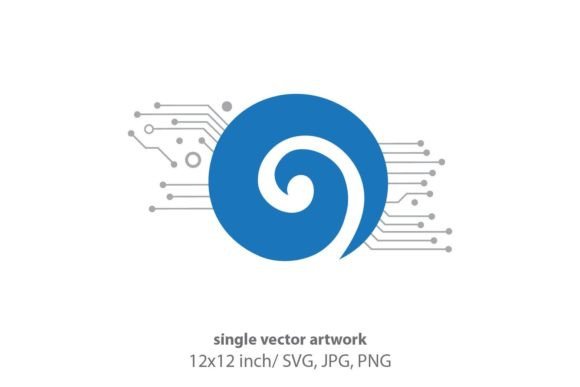
Designers frequently utilize motherboard-inspired motifs to convey themes of connectivity, intelligence, and innovation. When you incorporate these elements into your work, you are tapping into a visual language that speaks directly to our digital age. Whether you are designing a logo for a startup or creating wall art for a gaming room, the intricate lines and geometric precision of motherboard imagery provide a sense of depth and sophistication.
However, capturing this aesthetic requires more than just a photograph. This is where vector technology becomes indispensable. By using Adobe Illustrator to create scalable vector graphics (SVG), designers can isolate specific components of a motherboard layout, simplify complex circuits into clean lines, and manipulate colors to fit specific brand palettes. This process transforms raw technological imagery into usable, adaptable art.
Understanding File Formats: SVG, PNG, and JPG in Your Workflow
To effectively use digital graphics elements, one must understand the tools at their disposal. The files mentioned—SVG, JPG, and PNG—each serve distinct purposes in a creative workflow. Knowing when to use which format is crucial for maintaining quality across different mediums.
- SVG (Scalable Vector Graphics): This is the gold standard for web design and logo creation. Because SVGs are vector-based, they can be scaled to any size without losing clarity. If you are designing a logo that needs to appear on both a business card and a billboard, SVG is your go-to format. It allows for infinite scalability, ensuring that the fine details of a circuit board pattern remain crisp.
- PNG (Portable Network Graphics): Ideal for projects requiring transparency, PNGs are perfect for layering graphics. If you want to place a motherboard element over a textured background in a party invitation or a handmade card, a PNG with a transparent background ensures seamless integration. The 300 DPI resolution ensures that when printed, the image remains sharp and free of pixelation.
- JPG (Joint Photographic Experts Group): While not supporting transparency, JPGs are excellent for photographic representations or complex gradients. They are widely compatible and suitable for social media posts, email announcements, and digital previews of your craft items.
Creating these files in a vector program like Adobe Illustrator allows for maximum flexibility. You can start with a 12 x 12 inch artboard, a standard size that offers enough space for detailed work while remaining manageable for various print-on-demand services. Working in the RGB color palette ensures that the colors look vibrant on screens, which is essential for web design and digital announcements. However, if you plan to print these designs on physical items like stationery or wall art, remember to convert your final file to CMYK for accurate color reproduction.
Practical Applications: From Web Design to Handmade Crafts
The versatility of these digital graphics elements means they can be applied to a surprisingly wide range of projects. Let’s explore how you can integrate motherboard-themed vector art into various industries and hobbies.
Branding and Logo Design
For tech companies, IT consultants, or repair shops, a logo featuring stylized motherboard elements can instantly communicate expertise. Using SVG files, you can animate these logos for websites, adding subtle movements to the "circuits" to suggest activity and power. The clean lines of vector art ensure that the logo remains recognizable even at small sizes, such as on a favicon or mobile app icon.
Wall Art and Home Decor
The cyberpunk and industrial aesthetics are trending in interior design. Large-format prints of abstract motherboard designs can serve as striking wall art in offices, gaming rooms, or modern living spaces. By utilizing high-resolution PNG or JPG files derived from your vector originals, you can print these designs on canvas, metal, or acrylic. The 300 DPI resolution ensures that every trace and component is rendered with photographic clarity, turning a technical diagram into a piece of contemporary art.
Stationery and Invitations
Themed parties and events benefit greatly from custom graphics. Imagine a birthday invitation for a tech-savvy teenager or a baby shower with a "little engineer" theme. Motherboard clipart can be used to create borders, backgrounds, or central motifs on invitations and announcements. When printed on high-quality cardstock, these designs add a unique, personalized touch that store-bought cards cannot match.
Handmade Craft Items and Jewelry
For the DIY enthusiast, these digital files open up new possibilities for handmade crafts. You can use sublimation printing to transfer motherboard designs onto mugs, t-shirts, and tote bags. Additionally, laser cutters can read SVG files to cut intricate patterns out of wood or acrylic, allowing you to create jewelry, ornaments, or decorative panels that mimic the layered complexity of a Mother Board. This fusion of digital design and physical craftsmanship results in one-of-a-kind items that appeal to niche markets.
Optimizing Your Creative Process
To get the most out of these digital assets, consider the following best practices:
- Start with Vector: Always begin your design in Adobe Illustrator or a similar vector program. This ensures that your base file is editable and scalable. You can easily adjust colors, line weights, and compositions before exporting to raster formats.
- Mind the Resolution: When exporting for print, ensure your files are set to 300 DPI. This is critical for maintaining sharpness in printed paper items, stationery, and wall art. For web use, 72 DPI is standard, but keeping a high-res master file allows for future flexibility.
- Layer Smartly: If you are creating complex compositions, keep your elements on separate layers. This makes it easier to toggle visibility, adjust opacity, and apply effects to specific parts of the design, such as highlighting certain circuits on a motherboard graphic.
- Test Across Mediums: Before finalizing a design for a specific product, test it on that medium. Colors may shift between screen (RGB) and print (CMYK), and textures may affect how details appear. A design that looks great on a screen might need adjustment for fabric or paper.
In conclusion, the synergy between Technology and creative design offers endless opportunities for innovation. By leveraging high-quality vector files and understanding the unique properties of formats like SVG, PNG, and JPG, you can create compelling visuals that resonate with modern audiences. Whether you are designing a corporate logo, crafting handmade jewelry, or decorating your home, the intricate beauty of the Mother Board provides a rich source of inspiration. Embrace these digital tools, experiment with different applications, and let the precision of technology enhance your artistic expression.